Computer Vision Services
NextWealth delivers Computer Vision Services for Autonomous Vehicles, Medical AI, Geospatial Tech, and Retail by enriching, annotating, and labeling image and video data for AI and Machine Learning models.
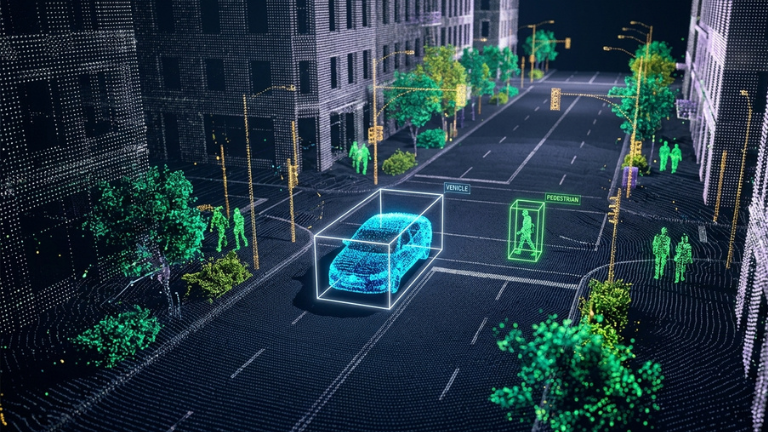
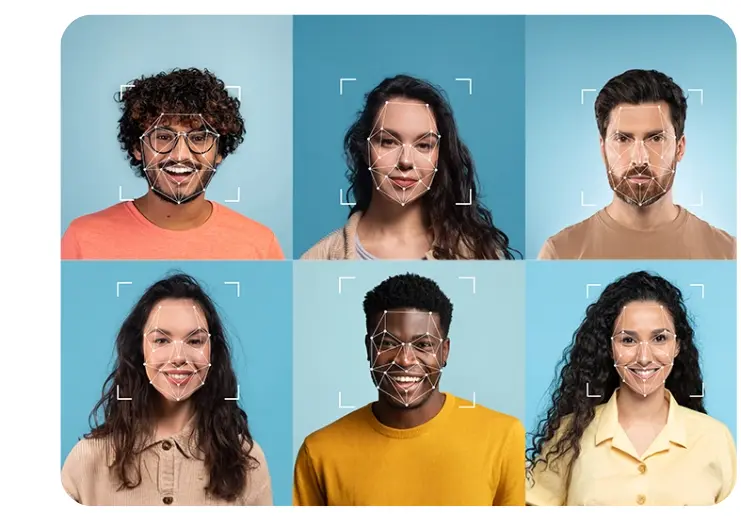
Image Annotation
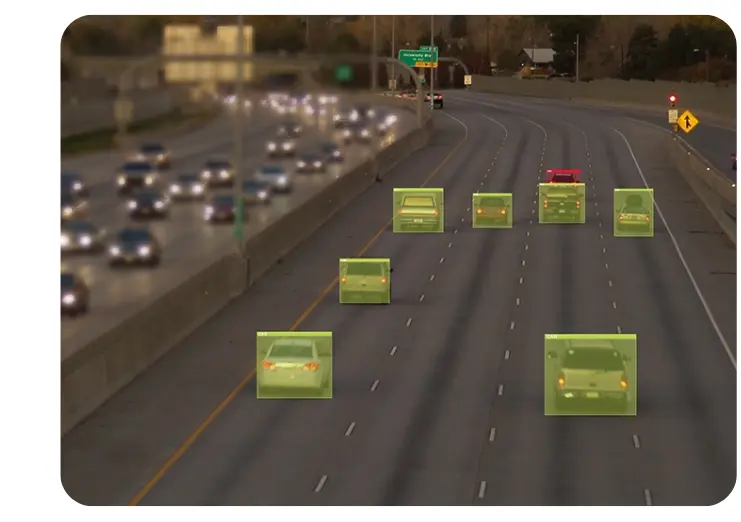
Video Annotation
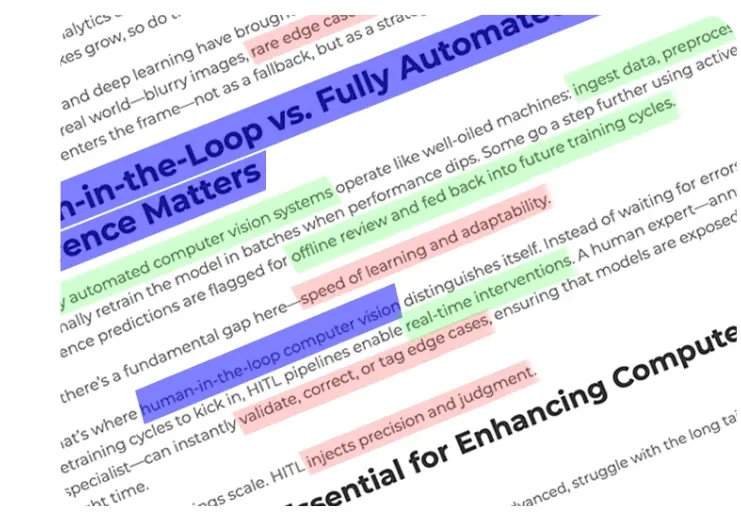
Text Annotation
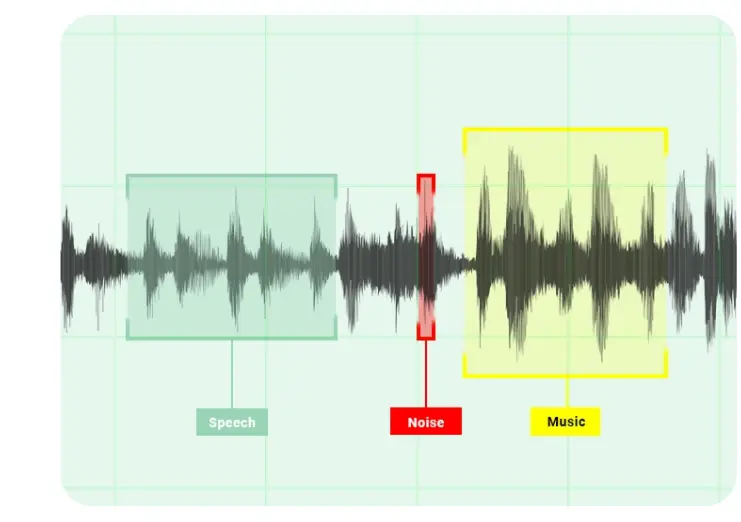
Audio Annotation
3D / LiDAR Annotation
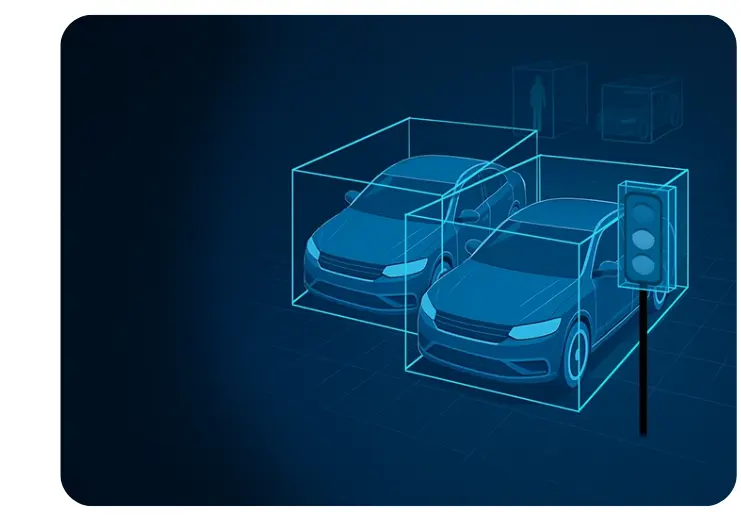
Synthetic Data QA
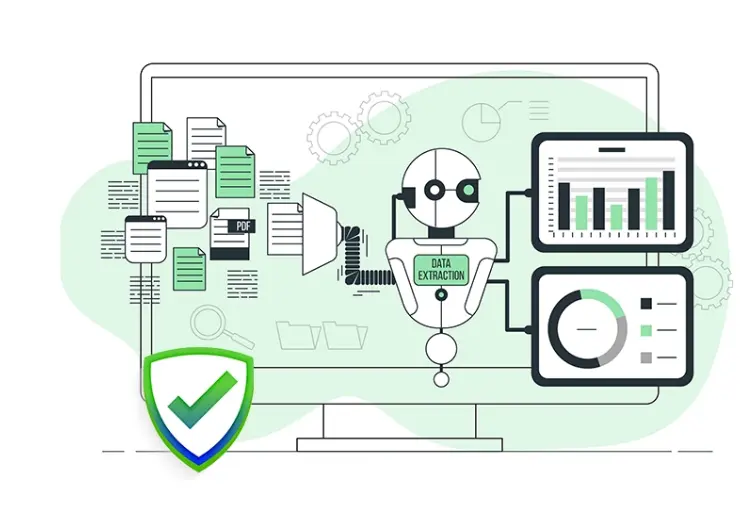
Types of Computer Vision Annotation
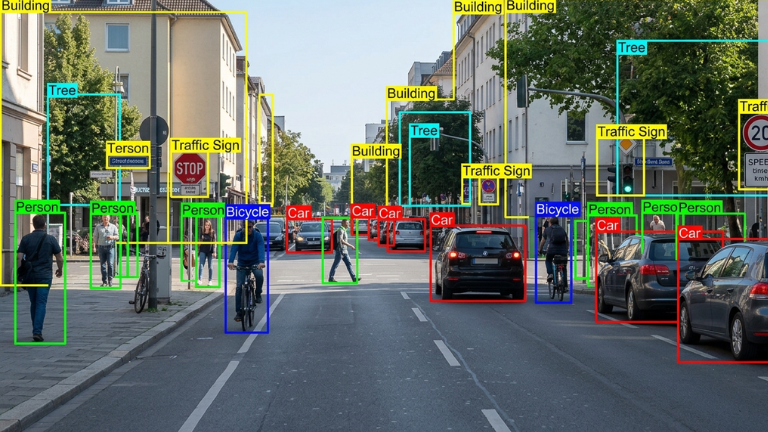
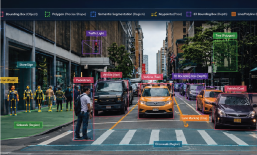
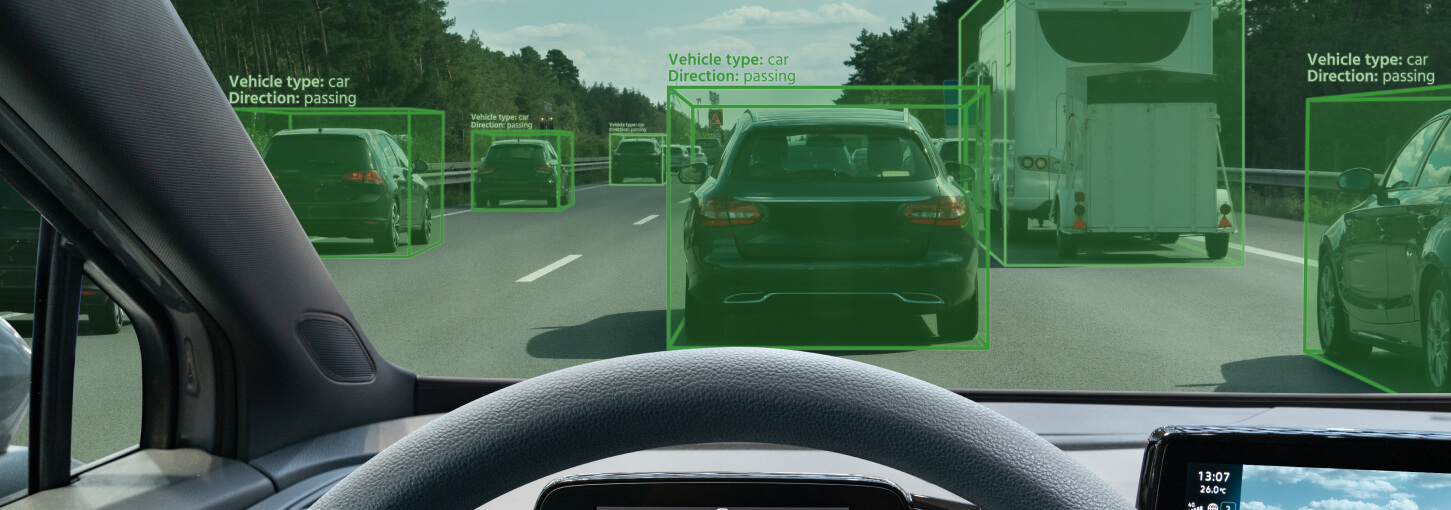
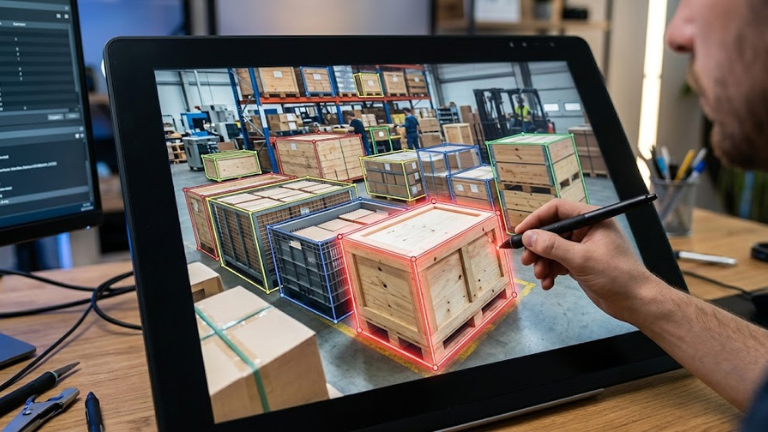
Bounding Box Annotation
Bounding box annotation involves drawing rectangular boxes around objects of interest within an image or video frame. It is the most widely used annotation type, ideal for object detection tasks where the goal is to identify and locate objects like vehicles, faces, products, animals within a scene. Despite its apparent simplicity, accurate bounding boxes require consistent labelling logic, especially for occluded, overlapping, or small objects. Our annotators follow client-specific ontologies with inter-annotator agreement checks to maintain label consistency at scale.
Accuracy benchmark: 97–99% for standard object classes; custom SLAs available for domain-specific categories.
Semantic Segmentation
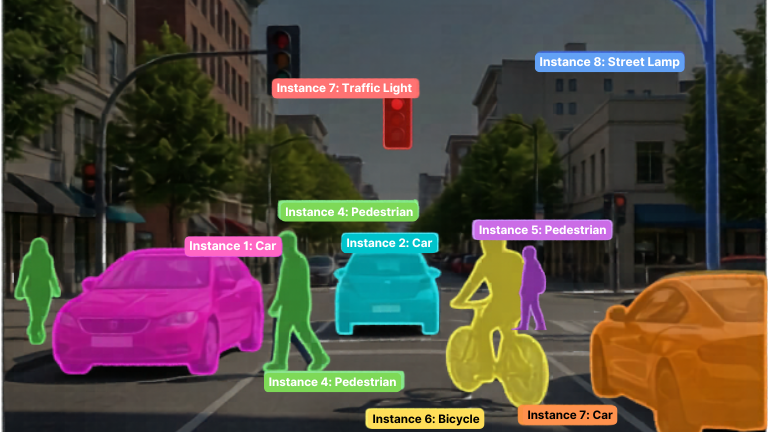
Semantic segmentation assigns a class label to every single pixel in an image, producing a dense, colour-coded map of the scene. Unlike bounding boxes, segmentation captures the precise shape and boundary of each object critical for applications where understanding the full geometry of a scene matters, such as autonomous driving (road, pedestrian, kerb, sky), satellite imagery analysis, and medical tissue mapping. Our HITL pipeline handles pixel-level labelling with polygon refinement tools and AI-assisted pre-annotation to reduce manual effort without sacrificing precision.

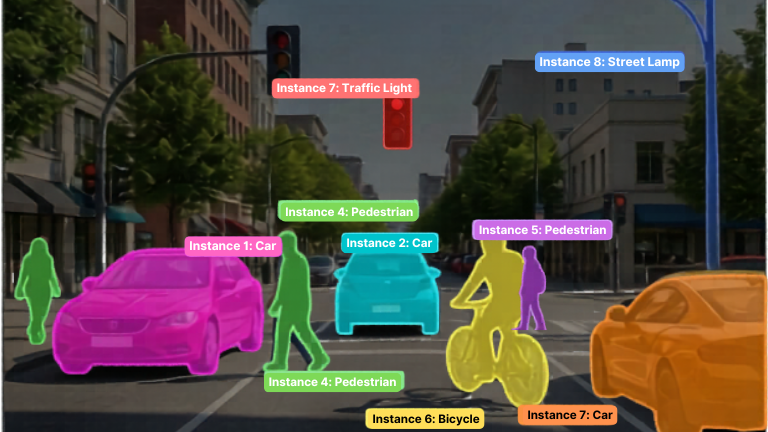
Instance Segmentation
Instance segmentation goes a step further than semantic segmentation , it not only classifies each pixel but also distinguishes between separate instances of the same class. For example, in a crowd scene, each individual person is labelled as a distinct instance rather than as a single “person” region. This is essential for robotics, warehouse automation, and any application requiring object-level counting or tracking. Our annotators are trained to handle complex occlusion scenarios where instance boundaries are ambiguous.
Polygon Annotation
Polygon annotation uses multi-point outlines to trace the precise contours of irregularly shaped objects while delivering far greater boundary accuracy than bounding boxes. It is the annotation type of choice for objects with non-rectangular shapes: aircraft, medical instruments, furniture, clothing, or agricultural produce. Polygon annotation is more labour-intensive than bounding boxes, which is precisely where our trained annotators add value , combining speed with accuracy on complex object geometrie
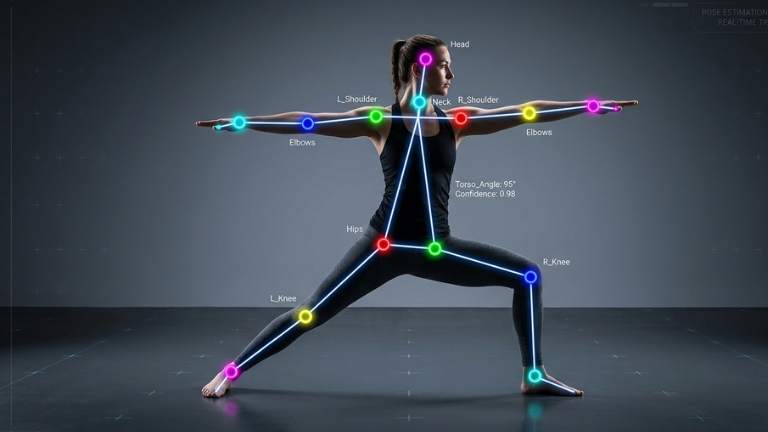
Keypoint & Landmark Annotation
Keypoint annotation marks specific, semantically meaningful points on an object , joints on a human body, facial landmarks, paw positions on an animal, or control points on a vehicle. These annotations are used to train models for pose estimation, facial recognition, gesture detection, and biomechanical analysis. Our annotators follow carefully defined skeletal schemas and landmark hierarchies, ensuring consistency across thousands of images which is a prerequisite for models that need to generalise across diverse body types, poses, and lighting conditions.
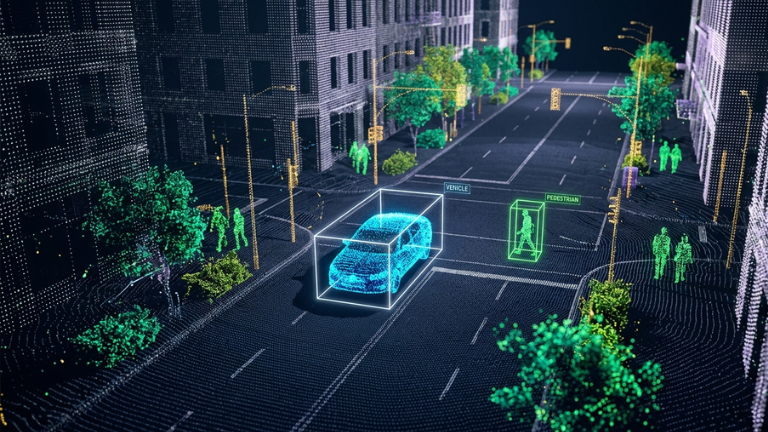
3D Point Cloud Annotation
Point cloud annotation labels three-dimensional spatial data captured by LiDAR sensors, assigning object categories like vehicles, cyclists, pedestrians, road furniture to clusters of 3D points. This is among the most technically demanding annotation types, requiring annotators trained in spatial reasoning and 3D visualisation tools. NextWealth supports cuboid annotation, 3D segmentation, and track-level labelling for sequential LiDAR frames essential for autonomous vehicle perception stacks and robotics navigation systems.
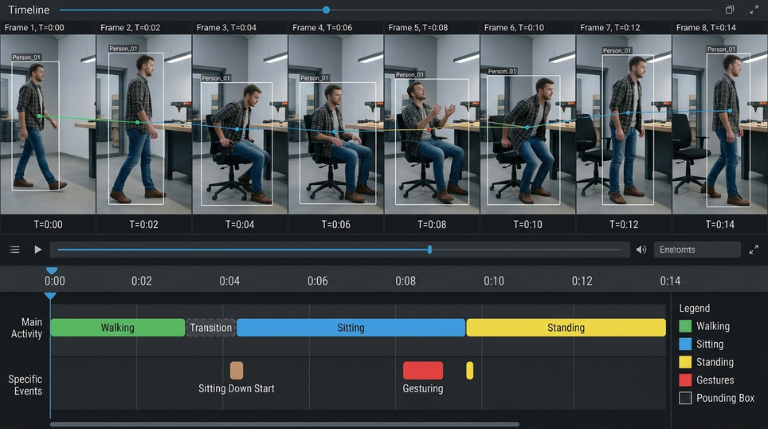
Video Annotation & Temporal Labelling
Video annotation extends image-level tasks into the time dimension like tracking objects across frames, labelling actions and events, and capturing motion trajectories. Unlike static image annotation, video annotation requires annotators to maintain object identity through occlusion, re-entry, and scene transitions. We support frame-by-frame annotation, interpolation-assisted labelling, action recognition tagging, and dense temporal segmentation for video understanding tasks such as surveillance, sports analytics, autonomous driving, and video content moderation.
Static image vs. video distinction: Static annotation tasks prioritise spatial accuracy; video annotation adds temporal consistency as a quality dimension like an object’s label, boundary, and identity must remain coherent across hundreds or thousands of frames. These are operationally distinct workflows, and we staff and QA them accordingly.
LiDAR-Camera Fusion Annotation
Multi-modal annotation aligns data from LiDAR sensors and RGB cameras into a unified coordinate space, enabling models to leverage both depth and visual information simultaneously. This is the annotation standard for Level 3+ autonomous driving systems and advanced industrial robotics. Our annotators are trained to work with sensor-fused data in specialised tools, maintaining spatial alignment accuracy across modalities.
Medical Image Annotation
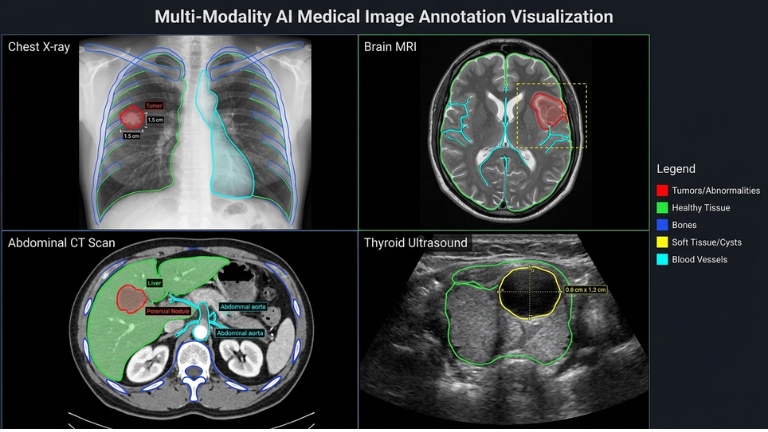
Medical imaging annotation is a specialist discipline requiring domain-trained annotators who understand the structures, pathologies, and labelling conventions relevant to clinical AI. NextWealth supports annotation across:
- X-ray : lung nodule detection, fracture identification, pneumothorax segmentation
- CT scans : organ segmentation, tumour boundary delineation, lesion classification
- MRI : brain structure mapping, cartilage and joint annotation, white matter lesion labelling
- Pathology slides : cell-level segmentation and classification for oncology AI
All medical annotation workflows are conducted under strict data handling protocols, with annotators trained by clinical domain experts. We support DICOM-format data and integrate with medical annotation platforms. Accuracy benchmarks for medical tasks are defined per-project in consultation with your clinical or data science team, typically targeting 95–98% agreement with radiologist ground truth.
OCR & Document Annotation
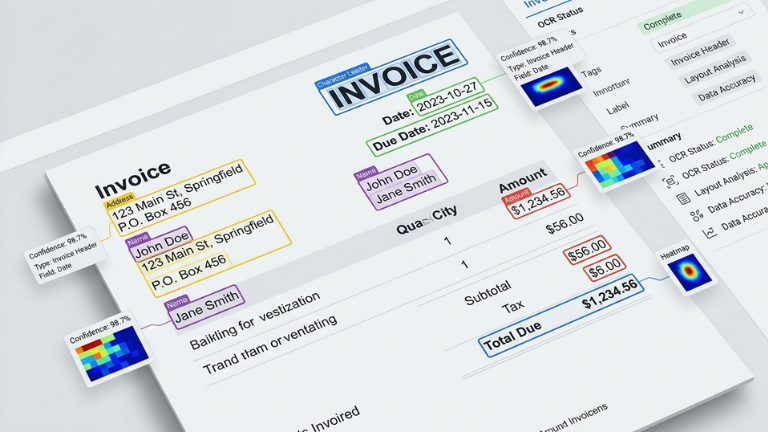
Optical character recognition annotation involves labelling text regions, transcribing handwritten or printed content, and tagging document structures like tables, headers, form fields, signatures. This underpins intelligent document processing pipelines for fintech, insurance, healthcare administration, and logistics. Our multilingual annotators support Indian and global scripts, including Hindi, Tamil, Telugu, Arabic, and more.
Foundation Model Training Data (SAM, DINO, CLIP)
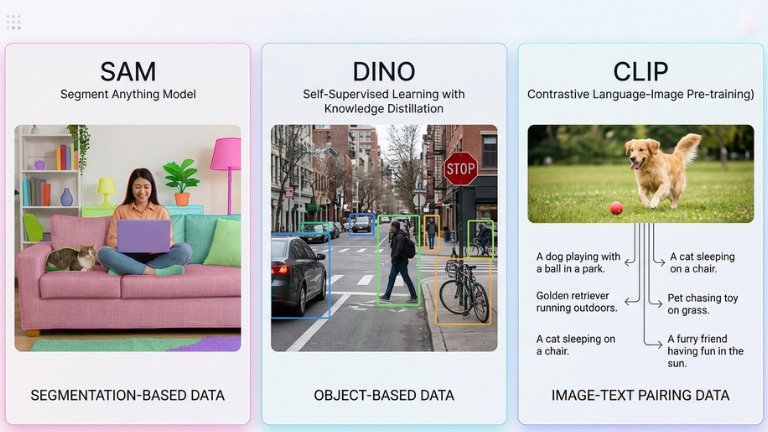
Training or fine-tuning large vision foundation models demands annotation at a scale and diversity that most in-house teams cannot sustain. NextWealth provides the high-volume, high-variety labelled datasets required to train models like Segment Anything Model (SAM), DINO, CLIP, and their derivatives including:
- Diverse scene and object coverage across geographies, lighting conditions, and edge cases
- Mask-level and contrastive annotation for vision-language alignment tasks (CLIP-style)
- Self-supervised pre-training data curation selecting, filtering, and labelling data for DINO-style training
- Iterative RLHF-style feedback loops where human annotators evaluate and rank model outputs to improve foundation model behaviour
If you are building or customising a foundation model, the quality of your annotation pipeline is a direct determinant of model capability. We bring the operational scale to make that pipeline work.
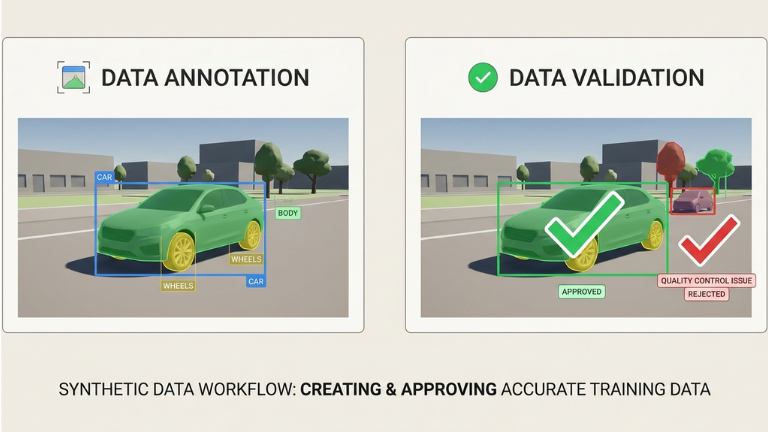
Synthetic Data Annotation & Validation
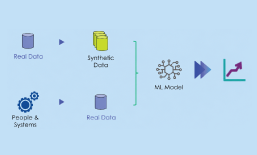
Synthetic data is generated by simulation engines, GANs, or diffusion models which is increasingly used to supplement real-world training data, particularly for rare events, privacy-sensitive scenarios, and edge cases that are difficult to capture at scale. However, synthetic data requires human validation to confirm realism, correct labelling, and domain relevance before it can be used safely in training pipelines.
NextWealth supports:
- Synthetic dataset QA : reviewing AI-generated images for artefacts, inconsistencies, and annotation errors
- Real-synthetic blending annotation : labelling mixed datasets that combine real and synthetic samples
- Domain gap assessment : human review to flag synthetic data that diverges too far from real-world distributions
Synthetic data generation and human annotation are not competing approaches , they are most powerful in combination, and our workflows are designed to support both.
Autonomous Vehicles & ADAS
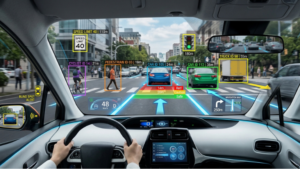
We provide the full annotation stack for self-driving perception: bounding boxes, semantic and instance segmentation, 3D point cloud cuboids, LiDAR-camera fusion, and video tracking at the volume and quality autonomous driving programmes require.
Medical AI & Clinical Decision Support
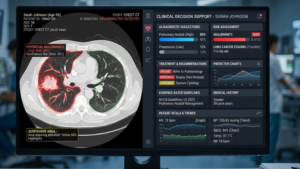
Our domain-trained annotators label X-ray, CT, MRI, and pathology images to support diagnostics AI models from radiology assistants and cancer detection tools to surgical robotics and drug discovery imaging pipelines.
Retail & E-Commerce Visual Intelligence
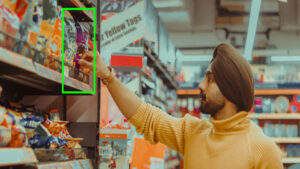
We annotate product images for visual search, attribute tagging, virtual try-on, shelf monitoring, and planogram compliance enabling more accurate product discovery and smarter inventory management.
Robotics & Industrial Automation
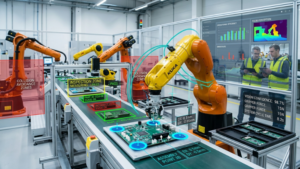
We support pick-and-place robotics, defect detection on manufacturing lines, and warehouse navigation systems with high-accuracy segmentation, keypoint, and 3D annotation tailored to industrial environments.
Agriculture & Precision Farming
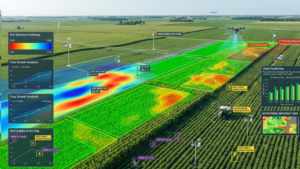
Satellite and drone imagery annotation for crop health monitoring, yield estimation, weed detection, and land use mapping supporting agritech platforms building computer vision tools for the field.
Surveillance & Security AI
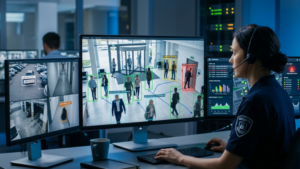
Video annotation for activity recognition, anomaly detection, crowd analysis, and perimeter monitoring with careful attention to temporal consistency and multi-camera tracking across long sequences.
Satellite & Geospatial Intelligence
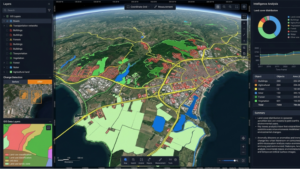
We annotate remote sensing imagery for infrastructure mapping, disaster response, environmental monitoring, and defence applications handling the scale and resolution demands unique to aerial and satellite data.
Sports Analytics
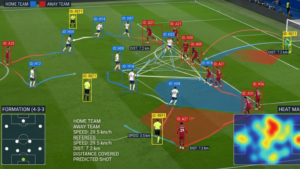
Player tracking, pose estimation, ball detection, and event tagging across broadcast and multi-angle video powering performance analytics, broadcast AI, and coaching intelligence tools.
AR/VR & Spatial Computing
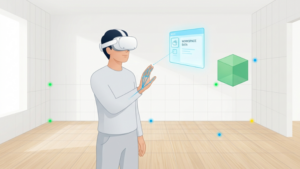
Annotation for depth estimation, scene reconstruction, and object recognition in three-dimensional environments like foundational data for augmented and mixed reality applications.
Foundation Model Development
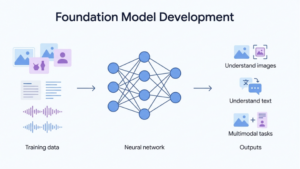
For AI labs and enterprise ML teams training or fine-tuning large vision models, we provide the diverse, high-volume, high-quality annotation pipelines that foundation model development demands including contrastive pair labelling, dense mask annotation, and iterative human feedback loops.





I am really happy at all the great things we have been able to achieve in the past 1 year. The relationship now has a solid foundation, and I am sure NextWealth will continue to be a formidable partner going ahead, bringing a delightful experience for our customers.
NextWealth has been an invaluable partner to us, significantly accelerating our growth by handling critical data operations and providing strategic insights.
NextWealth’s hard work and dedication are truly making a difference, streamlining our processes significantly. We really appreciate it!
My experience with NextWealth has been wonderful. The diligent team consistently delivers on time with a focus on quality. Their innovation-driven mindset fosters a win-win situation for both teams.
I am happy with the improvement in the performance. I have seen positive improvement, and we have a long way to go.
NextWealth’s in-depth analysis helped us pinpoint exactly what needs to be done to address the issues.
With excellence in Quality, Cost, and TAT—key pillars of any operation—NextWealth sets a benchmark for operational efficiency and beyond.
We have experienced significant growth—a success we could not have achieved without the expert support, hard work, and commitment of NextWealth.

Evaluating AI Agents in Production: Why Automated Metrics Fail Without Human-in-the-Loop
6 mins read


The Invisible Risk in Your AI Supply Chain: Why Crowdsourced Data Is an Enterprise Liability
6 mins read