
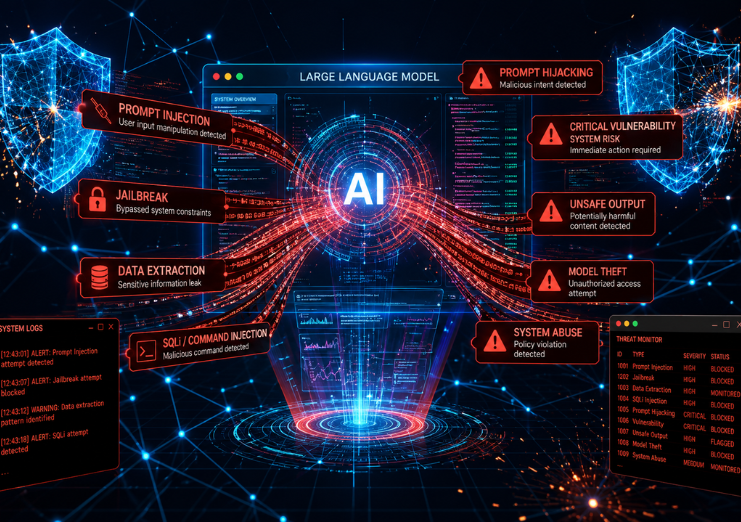
AI Safety and Red Teaming: Why Human Judgment Still Matters
As AI systems grow more capable, the risks they carry grow more complex. Bias, hallucination, harmful outputs, and adversarial vulnerabilities are not theoretical edge cases, they are documented failures affecting production systems at scale. Red teaming, long a practice in cybersecurity, has become one of the most rigorous methods the AI industry relies on to surface these failures before they reach end users. But technology alone is not enough. The quality of red teaming depends entirely on the quality and diversity of the humans behind it.
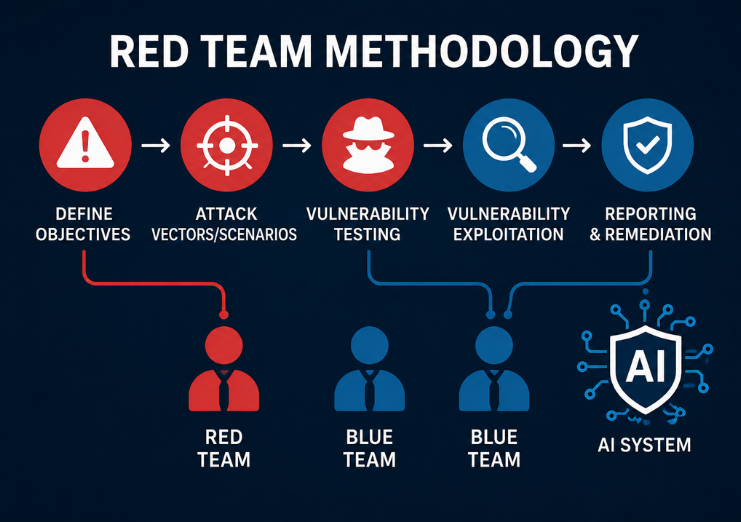
Training-Time HITL

Inference-Time HITL

Feedback-Loop HITL

Blind Spot Detection
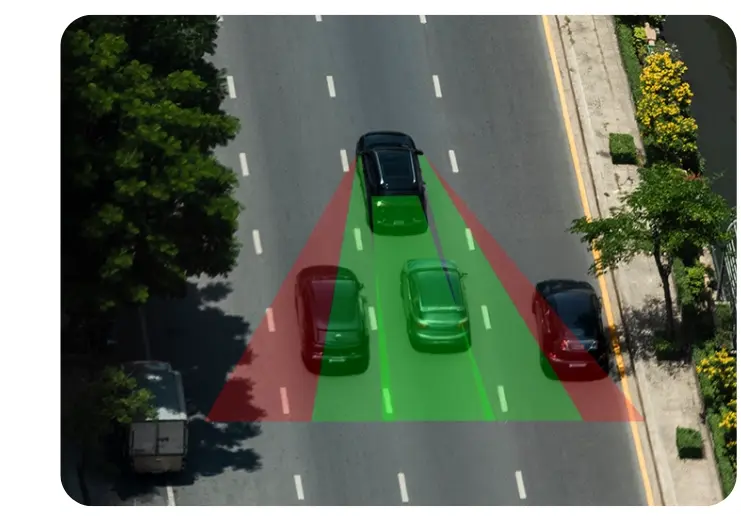
Driver Monitoring Systems (DMS)

Automated Parking Assistance

Gesture Recognition

Types of AI Red Teaming
Manual Red Teaming
Human specialists craft adversarial prompts based on domain knowledge, cultural context, and lived experience. Highly effective for nuanced, contextual, and demographic, specific risks.
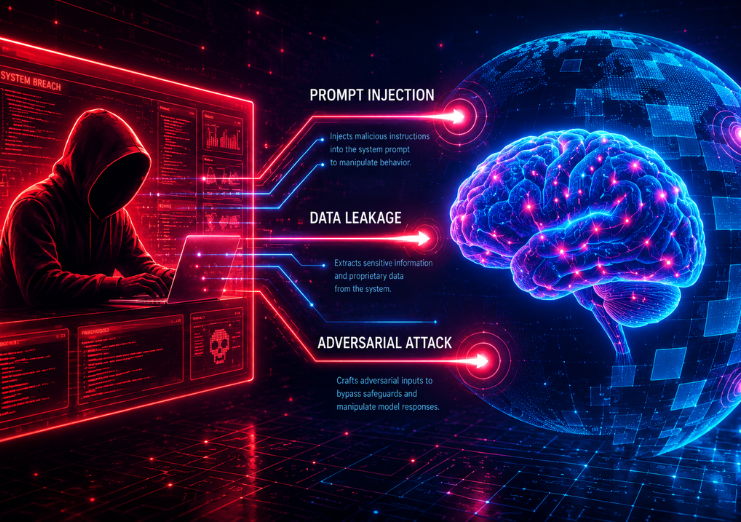

Automated Red Teaming
AI models generate large volumes of adversarial inputs at scale, using techniques like GAN based attack generation or prompt mutation. Efficient for coverage but limited in contextual depth.
| Structured Elicitation |
Teams follow defined taxonomies, harm categories, misuse scenarios, restricted topics , to systematically stress test model behaviour against known risk frameworks such as NIST AI RMF.


Cultural and Demographic Red Teaming
| Evaluators with specific linguistic, regional, or community knowledge test for localized bias, representation failures, and culturally specific harms that generic datasets cannot surface. |
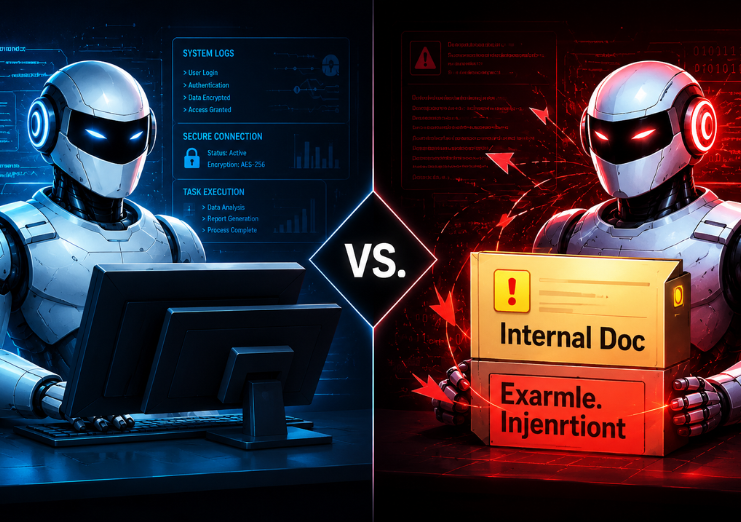
| Jailbreak and Prompt Injection Testing |
Specialized testing to discover whether adversarial inputs can override model safety guardrails, extract restricted information, or manipulate system level instructions in agentic pipelines.
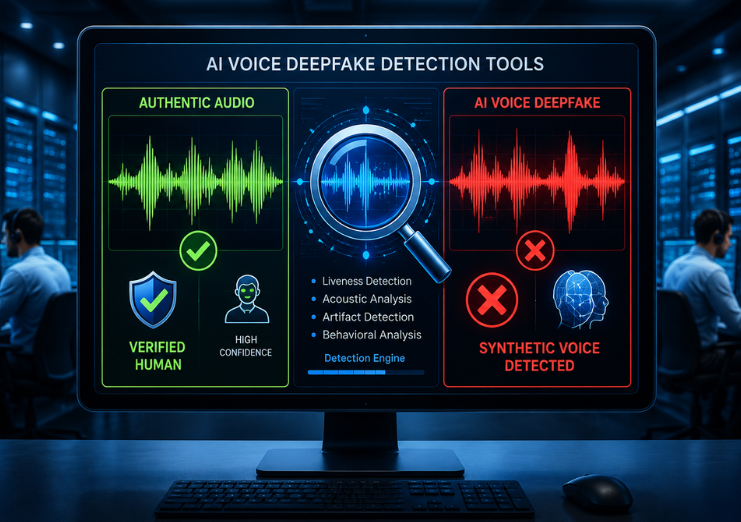
| Multimodal Safety Evaluation |
Testing AI systems that process images, video, or audio for harmful content generation, deepfake vulnerabilities, and cross – modal attack vectors that purely text based evaluation misses.
Foundation Model Pre-Deployment

AI labs use red teaming to evaluate frontier models before public release, testing for dangerous capability thresholds, misuse scenarios, and alignment failures across diverse population groups.
Trust and Safety in Consumer AI
Platforms deploying conversational AI for consumer use require red teaming to identify outputs that could harm vulnerable users, including minors, users in mental health crises, or those seeking dangerous information.
Compliance and Regulatory Readiness
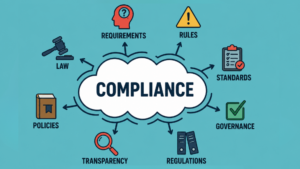
As the EU AI Act and US Executive Order on AI mandate safety evaluations for high-risk systems, red teaming data serves as structured evidence of due diligence for regulators and auditors.
RLHF Alignment Training

Red team outputs, particularly human labelled failure cases, feed directly into Reinforcement Learning from Human Feedback pipelines, training models to refuse harmful requests and improve response quality.
Agentic and Tool-Use Systems

As AI increasingly controls APIs, code execution, and external tools, red teaming tests for prompt injection, goal misalignment, and cascading failure scenarios unique to autonomous systems.
Healthcare and High-Stakes Verticals

In medical, legal, and financial applications, red teaming ensures AI does not provide dangerous advice, exhibit demographic bias, or fail to recognize the limits of its own competence.
How NextWealth Supports AI Safety and Red Teaming
NextWealth’s approach to AI safety work is grounded in one foundational belief: that the quality of safety evaluation depends on the breadth and authenticity of human perspective behind it.
With over 5,000 Human-in-the-Loop specialists across 11 Tier-2 delivery centres in India, NextWealth brings structured, scalable, and culturally diverse human judgment to red teaming and safety data operations. Our specialists are trained to execute adversarial testing across defined harm taxonomies, evaluate model outputs against safety rubrics, and produce labelled failure datasets that feed directly into RLHF and alignment pipelines. Quality is not incidental, NextWealth holds ISO 9001, ISO 27001, SOC 2, HIPAA, and PCI DSS certifications, and maintains a 99% accuracy SLA across annotation and evaluation workflows. For AI developers building safer, more aligned systems, NextWealth operates as a trusted human intelligence partner, not a commodity vendor.
Our Four Pillars
Diverse Evaluator Pool
Multilingual, multi-regional specialists for culturally grounded safety evaluation.
Structured Harm Taxonomy
Defined testing protocols aligned to NIST AI RMF and client safety frameworks.
RLHF-Ready Data
Labelled red team outputs formatted for direct integration into alignment training.
Enterprise-Grade Compliance
ISO 27001, SOC 2, HIPAA, built for sensitive AI safety workflows.




I am really happy at all the great things we have been able to achieve in the past 1 year. The relationship now has a solid foundation, and I am sure NextWealth will continue to be a formidable partner going ahead, bringing a delightful experience for our customers.
NextWealth has been an invaluable partner to us, significantly accelerating our growth by handling critical data operations and providing strategic insights.
NextWealth’s hard work and dedication are truly making a difference, streamlining our processes significantly. We really appreciate it!
My experience with NextWealth has been wonderful. The diligent team consistently delivers on time with a focus on quality. Their innovation-driven mindset fosters a win-win situation for both teams.
I am happy with the improvement in the performance. I have seen positive improvement, and we have a long way to go.
NextWealth’s in-depth analysis helped us pinpoint exactly what needs to be done to address the issues.
With excellence in Quality, Cost, and TAT—key pillars of any operation—NextWealth sets a benchmark for operational efficiency and beyond.
We have experienced significant growth—a success we could not have achieved without the expert support, hard work, and commitment of NextWealth.


Bridging the Relevance Gap: How AI Data Services Optimize Search and Discovery for Global Marketplaces
5 mins read