
Quick Overview
This blog explores the transformative impact of AI on India’s KPO/BPO industry, examining whether AI will replace or disrupt current business models. It discusses how AI can streamline operations, lower costs, and enhance service quality, while also addressing challenges such as job displacement and the need for workforce adaptation.
Key points include:
- Boosting Efficiency: AI tools, such as RPA and NLP, automate tasks and enhance customer service.
- Market Growth: India’s BPO market is set to reach $10.94 billion by 2029.
- New Roles: AI Creates Jobs in Data Science and Cybersecurity.
- Challenges: Address job displacement and AI ethics.
- C-Level Action: Executives must drive AI adoption and reskilling efforts.
Introduction: The Evolving Landscape of India’s BPO and KPO Industry
In the rapidly evolving technological landscape, AI is impacting various industries. One sector on the brink of significant transformation is India’s Knowledge Process Outsourcing (KPO) and Business Process Outsourcing (BPO) industry.
AI’s ability to streamline operations, reduce costs, and enhance service quality poses a critical question: Will AI replace or disrupt India’s KPO/BPO models?
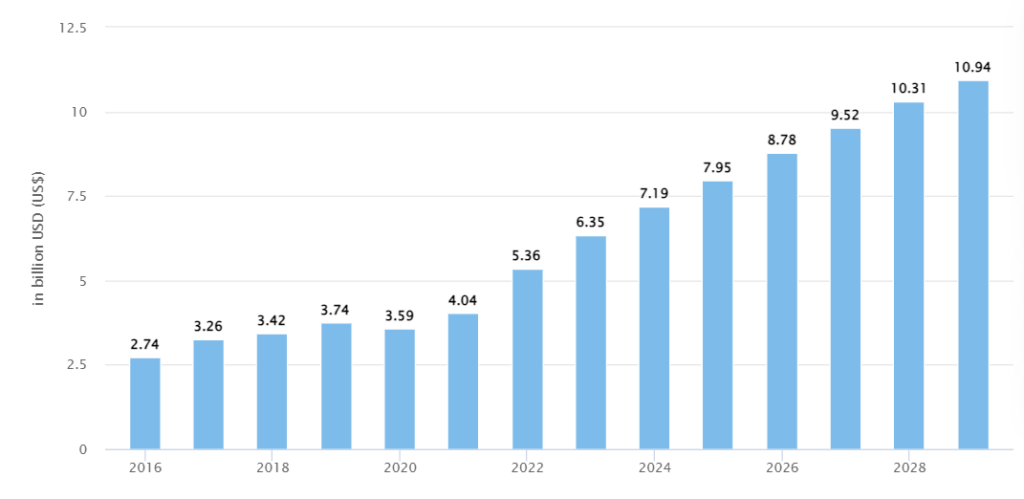
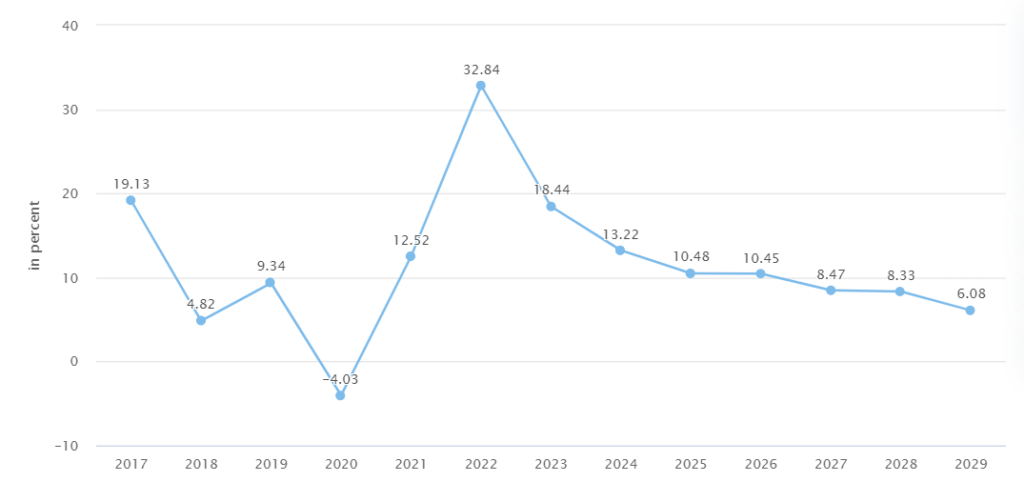
India has long been a global leader in the KPO and BPO sectors and contributes significantly to the economy. As of 2021, the BPO sector employed over 1.1 million people, according to NASSCOM. In 2026, the BPO market in India is projected to generate $7.95 billion in revenue. Looking ahead, the market is expected to expand at a CAGR of 8.31% from 2026 to 2029, reaching a total market volume of $10.94 billion by 2029 [1].
A McKinsey report indicates that companies integrating AI could increase cash flow by up to 120% by 2030 through automation of repetitive tasks, improved decision-making, and enhanced customer experiences [2].
India has established itself as a premier destination for BPO/KPO services, driven by several unique features:
Demographic Dividend: India has one of the world’s largest pools of employable individuals aged 18-40. This demographic advantage ensures a constant flow of young, dynamic professionals entering the workforce.
Large Pool of Skilled Talent: India boasts a vast pool of skilled, English-speaking professionals who are easily trainable, which is crucial for delivering high-quality BPO/KPO services to global clients.
Competitive Labor Costs: India’s labor costs are significantly lower than those in many Western countries. This cost advantage allows businesses to increase profitability.
Conducive Business Environment: The Indian government has implemented several policies to create a business-friendly environment, such as the Digital India campaign, tax incentives, and simplified regulatory processes, making India an attractive outsourcing destination.
Educational Institutions: India has many educational institutions across the country, producing millions of graduates and postgraduates every year. This continuous influx of educated professionals ensures a steady supply of qualified talent.
India’s KPO/BPO services operate through various models, including onshore, offshore, and nearshore outsourcing to provide services such as:
- Customer Support: Services include chatbots, sentiment analysis, predictive analytics, and more.
- Data Management: Includes automated data entry, data validation, data analytics, and more.
- IT Services: Covers network monitoring, automated testing, cybersecurity, and more.
- Finance and Accounting: Encompasses bookkeeping, fraud detection, financial forecasting, and more.
- HR Services: Involves resume screening, employee engagement, talent acquisition, and more.
The adaptability and comprehensive service offerings have made India a preferred outsourcing destination worldwide.
AI is revolutionizing the BPO/KPO industry, creating new job roles and services. These include data science, digital marketing, AI-powered analytics, AI chatbots and virtual assistants, AI ethics and compliance, system development and maintenance, HR and recruitment, and so on. The Indian KPO/BPO sector needs to embrace AI and leverage its potential. This will require significant investments in AI research and development, upskilling the workforce, and fostering a collaborative ecosystem between businesses, academia, and the government.t
What is the BPO Meaning and How Does AI Impact It?
Business Process Outsourcing (BPO) involves contracting specific business operations to a third-party service provider. These operations often include customer service, human resources, accounting, and IT services. The primary goal of BPO is to reduce costs, improve efficiency, and allow companies to focus on their core competencies. Knowledge Process Outsourcing (KPO) is a subset of BPO that focuses on knowledge-intensive tasks requiring specialized expertise, such as research, data analysis, and legal services.
AI significantly impacts the BPO industry by automating repetitive tasks, enhancing data analysis, and improving customer interactions. This transformation increases efficiency, reduces operational costs, and improves service quality, shifting the focus from basic task execution to more strategic, value-added services.

Will AI Replace BPO Jobs in 2026?
While AI will automate many routine and repetitive tasks within the BPO sector, it is unlikely to completely replace all BPO jobs. Instead, AI is expected to transform roles, requiring employees to develop new skills in areas like AI management, data analysis, and complex problem-solving. This shift will increase demand for a more skilled workforce capable of collaborating with AI systems.
AI’s Transformative Potential and Key Challenges for India Outsourcing Trends
AI holds transformative potential for the KPO/BPO industry. It can significantly improve efficiency by automating repetitive tasks, streamlining processes, and reducing operational costs. AI-driven systems can improve accuracy, minimize human errors, and elevate service quality. Moreover, AI enables scalability, allowing firms to handle larger volumes of work seamlessly.
A variety of AI technologies are relevant to KPO/BPO:
- Robotic Process Automation (RPA): RPA uses software bots to automate routine, repetitive tasks. For instance, UiPath and Automation Anywhere have implemented RPA in several BPO operations, increasing efficiency and reducing operational costs. RPA adoption rates have surged, with numerous success stories highlighting its benefits.
- Natural Language Processing (NLP): NLP plays a crucial role in customer support and data management. AI-driven chatbots and virtual assistants powered by NLP, such as those developed by Haptik and Yellow.ai, have transformed customer interaction by providing instant, accurate responses. These implementations have not only enhanced customer satisfaction but also improved operational efficiency. Advancements in NLP continue to promise better, more intuitive AI systems for the future.
- Machine Learning: ML applications in KPO/BPO include data analysis, predictive analytics, and decision-making processes. Companies utilize machine learning to deliver personalized services and improve service delivery. These technologies enable the analysis of large datasets, offering valuable insights and enhancing decision-making capabilities.
AI adoption in the KPO/BPO sector presents several challenges despite its benefits:
- Job Displacement: AI’s ability to perform tasks traditionally done by humans raises concerns of job loss.
- Workforce Adaptation: The workforce needs extensive reskilling and upskilling to adapt to new roles.
- Ethical Concerns: Issues like bias, transparency, and accountability in AI systems need addressing.
- Integration Hurdles: Challenges include implementation costs, compatibility with existing infrastructure, and resistance to change.
Addressing Fears, Exploring Opportunities, and Strategic Recommendations for AI in Outsourcing
To mitigate the fear of job displacement, companies should focus on reskilling and upskilling their workforce. Developing new roles that complement AI systems is crucial. Companies can address ethical concerns by establishing clear guidelines and governance frameworks that ensure transparency and accountability in AI applications.
AI also presents new job roles and opportunities, such as AI trainers, data analysts, and cybersecurity experts. Enhancing human-AI collaboration can lead to better outcomes, leveraging the strengths of both humans and machines.
Several Indian companies have successfully integrated AI into their operations. For example, NextWealth has implemented AI-driven automation to enhance data processing and customer support, improving efficiency and customer satisfaction. Their strategic approach involves continuous learning and adapting AI technologies to meet evolving client needs.
Another example is Singularium Technologies, which has launched an AI-powered platform called STEPZERO, transforming ITeS, KPO, and BPO operations. The platform offers advanced workstation design, flexible workflow management, integrated gig-economy access, and robust quality-control mechanisms. This has resulted in a 10x speed increase and 60% cost savings for their clients [3]. Meanwhile, Acquire BPO has successfully implemented AI-powered chatbots for customer support that handle 85% of customer service interactions, providing instant responses, reducing operational costs, and offering 24/7 availability [4].
The Role of C-Level Executives in the Future of BPO Industry in India
In the rapidly evolving AI landscape, C-level executives in India’s KPO/BPO sector play a critical role in ensuring successful AI adoption and transformation. Strong leadership is crucial to navigate this change and maximize the potential benefits of AI adoption.
C-level executives must create a clear vision for AI-driven transformation and communicate its benefits across the organization, highlighting the benefits of AI for both the organization and its employees. Managing the transition to AI involves effective communication, comprehensive training programs, and providing employee support.
Key decision-makers should:
- Embrace AI: Highlighting the importance of adopting AI technologies, executives should actively drive AI initiatives within their organizations. This can involve setting clear goals, allocating resources, and launching pilot projects to demonstrate AI’s value. CTOs and C-Level executives should embrace AI by fostering a culture of innovation and adaptability. Investing in talent through continuous learning and development programs is essential. Building strong AI-human teams and encouraging collaboration will help drive successful AI integration.
- Invest in Talent: Investing in training and development will ensure the workforce has the skills needed to thrive in an AI-driven environment. Upskilling programs can focus on data analysis, machine learning, and AI-powered tools tailored to KPO/BPO operations. Addressing concerns about job displacement through effective communication and reskilling initiatives is also important, if not critical.
- Foster Innovation: Promoting a culture of continuous improvement and innovation helps organizations stay competitive and adapt to technological advancements. This can include encouraging experimentation, rewarding innovative ideas, and more.
What Does “Associate KPO Means” for the Workforce?
An “associate KPO” typically refers to an entry-level or mid-level professional working within a Knowledge Process Outsourcing firm. These roles often involve specialized tasks like data research, financial analysis, legal support, or market intelligence, requiring specific domain knowledge and analytical skills. As AI integrates further, the associate KPO role will evolve, requiring stronger critical thinking, problem-solving, and the ability to use AI tools to improve efficiency and accuracy.
How to Become a BPO Agent in the AI Era?
To become a BPO agent in the AI era, individuals should focus on developing skills that complement artificial intelligence. While traditional communication and customer service skills remain vital, proficiency with AI-powered tools, an understanding of data analytics, and the ability to adapt to new technologies will be crucial. Training in areas like advanced problem-solving, emotional intelligence, and critical thinking will differentiate agents as AI handles more routine inquiries, allowing human agents to focus on complex, high-value interactions.
In summary, will AI replace or disrupt India’s KPO/BPO Models?
While some entry-level roles, many lower-end jobs, particularly in call centers and basic operations, will be displaced and disrupted, this also presents opportunities for higher-value roles and skill enhancement. Companies and workers who adapt and invest in AI-driven skill enhancement, deploying ‘human-in-the-loop’ AI technologies, will thrive in the long run, generate higher-value jobs, and drive revenue growth.
While AI presents challenges and opportunities for India’s KPO/BPO industry, its potential to transform and enhance operations is undeniable. By addressing fears, exploring opportunities, and integrating AI strategically, the industry can continue to thrive. Proactive steps towards AI adoption will ensure future success and maintain India’s position as a global KPO/BPO sector leader.
Callouts:
- Economic Contribution: India has long been a global leader in the KPO and BPO sectors, contributing significantly to the economy. As of 2021, the BPO sector employed over 1.1 million people, according to NASSCOM.
- Market Projections: In 2026, the BPO market in India is projected to generate revenue of $7.95 billion. Looking ahead, the market is expected to expand at a CAGR of 8.31% from 2026 to 2029, reaching a total market volume of $10.94 billion by 2029.
- AI’s Financial Impact: A McKinsey report indicates that companies integrating AI could increase cash flow by up to 120% by 2030 through automation of repetitive tasks, improved decision-making, and enhanced customer experiences.
- Demographic Dividend: India has one of the world’s largest pools of employable individuals aged 18-40. This demographic advantage ensures a constant flow of young, dynamic professionals entering the workforce.
References:
[1] – https://www.statista.com/outlook/tmo/it-services/business-process-outsourcing/india
[4] – https://www.arsturn.com/blog/innovative-use-cases-of-ai-in-bpo-industry-automation
Frequently Asked Questions
Will AI completely replace India’s KPO and BPO industries?
No. AI will change how KPO/BPO work by automating routine tasks, but human skills such as judgment, domain knowledge, and quality control will remain essential for complex processes and client success.
How is AI disrupting traditional outsourcing models?
AI is automating repetitive work, improving speed and accuracy, and enabling new digital services. This shifts outsourcing toward value‑added, knowledge‑driven offerings instead of only low‑cost task execution.
What tasks in BPO/KPO are most at risk from automation?
Simple, rule‑based tasks like data entry, basic call handling, and standard reporting are most easily automated. Tasks needing nuance, communication skills, or domain expertise are less likely to be fully automated.
How can human skills complement AI in outsourcing?
Humans provide reasoning, client empathy, problem solving, ethical judgment, and quality oversight — especially important in knowledge‑intensive tasks that AI alone can’t reliably perform.
How can KPO/BPO firms adapt to AI disruption?
By upskilling teams in AI tools, focusing on higher‑value services, and using human‑in‑the‑loop (HITL) workflows to ensure quality and context in complex tasks where AI falls short.
How does NextWealth view the future of AI in KPO/BPO services?
NextWealth sees AI as an enabler, not a replacer. We combine AI automation with expert human workflows (HITL), allowing teams to deliver global‑grade outcomes while keeping humans at the center of quality, trust, and contextual decision‑making.