
Quick Overview
This blog delves into the transformative role of Human-in-the-Loop (HITL) in image and video segmentation, highlighting how it bridges the gap between AI’s speed and human intuition. It discusses how HITL enhances the accuracy and efficiency of segmentation tasks, particularly in high-stakes applications like medical imaging, autonomous vehicles, and content moderation. By integrating human feedback into the AI model, HITL improves the precision of image segmentation machine learning and ai video segmentation, making them more reliable in real-world scenarios.
Key points include:
- The importance of Human-in-the-Loop Annotation in refining segmentation models.
- How HITL ensures precise, context-aware segmentation with human oversight.
- The synergy between AI automation and human intervention for scalable, high-quality segmentation.
- The impact of HITL on advancing Image Segmentation with Human Feedback in critical industries such as healthcare, automotive, and media.
In today’s AI-driven world, image and video segmentation powered by Artificial Intelligence (AI) and Machine Learning (ML) has become foundational for high-stakes, performance-critical tasks.
Precise segmentation is a transformative force, from diagnps 85ing diseases in medical imaging to ensuring safety in autonomous vehicles and maintaining content standards online.
Yet, automated algorithms often struggle with complexities like generalization and domain-specific nuances. This is where the Human-In-The-Loop (HITL) approach shines, bridging the gap between machine learning image segmentation efficiency and human intuition to tackle these challenges effectively.
Human Feedback and Machine Accuracy – A Match Made in Heaven
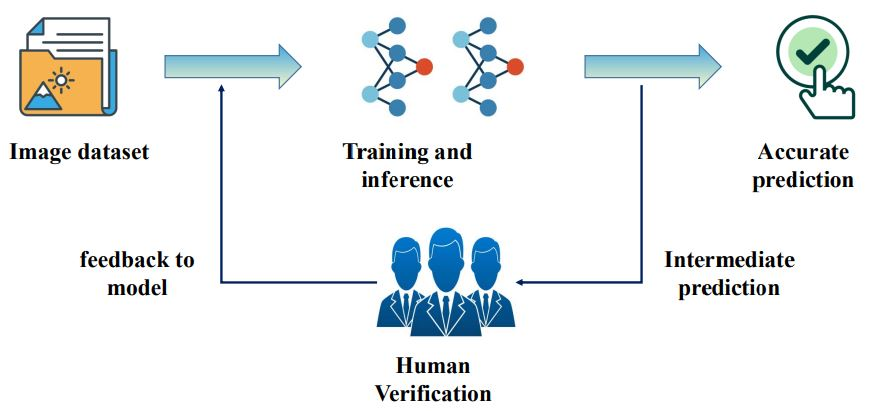
Human-in-the-Loop Annotation is a system design approach integrating human judgment, feedback, and intervention with machine learning processes to optimize outcomes. Humans can provide training data for ML applications and directly accomplish tasks using machine-based approaches.
The iterative process combines AI’s speed, scalability, and adaptability with the nuances of human decision-making in Image Segmentation with Human Feedback. This association delivers improved accuracy, particularly in applications where errors can impact costs and output quality.
Incorporating user domain knowledge into the learning framework of pixel segmentation embeds creativity, human vision, and versatility into the process.Also, HITL reduces the time needed for training ai image segmentation models by up to 30% because of human knowledge, experience, and predictive capabilities. This edge over fully automated systems lets organizations stay ahead in their efficiency game.
Ready to see HITL in action for your projects? Let’s connect today!
Human Knowledge: An Integral Piece of the AI Annotation Puzzle
Human intervention augments Data Annotation for Computer Vision, model training and inference, and system construction and application through active learning, real-time feedback, correction, and optimization. For example, a human can iteratively fix the output image, replace it on the dataset, and retrain the model.
Prompt human decision-making skills shape image segmentation machine learning predictive capabilities and minimize auto-detection errors, annotation time, and costs. A random approach in object detection, classification, etc., adds more credibility to the annotation process and the results.
Statistical Landscape of HITL in Image and Video Segmentation
Gartner’s recent survey concluded that in the next two years, multimodal AI models in image segmentation will constitute 60% of generative AI solutions. This incredible shift from 1% in 2023 underscores the increasing reliance on sophisticated AI systems like Human-in-the-Loop Annotation that integrate human expertise.
The AI Accuracy Gap exposed by a 2023 study highlights the need for HITL in ai video segmentation.
According to its findings, deep learning models achieve an average segmentation accuracy of 85–92% in controlled scenarios with human intervention compared to 70–75% achieved through ML-only models.
This is surprising but true!Another AI adoption trend and market forecast highlighted that AI and HITL video segmentation tools will grow at a CAGR of 18% in the next six years.
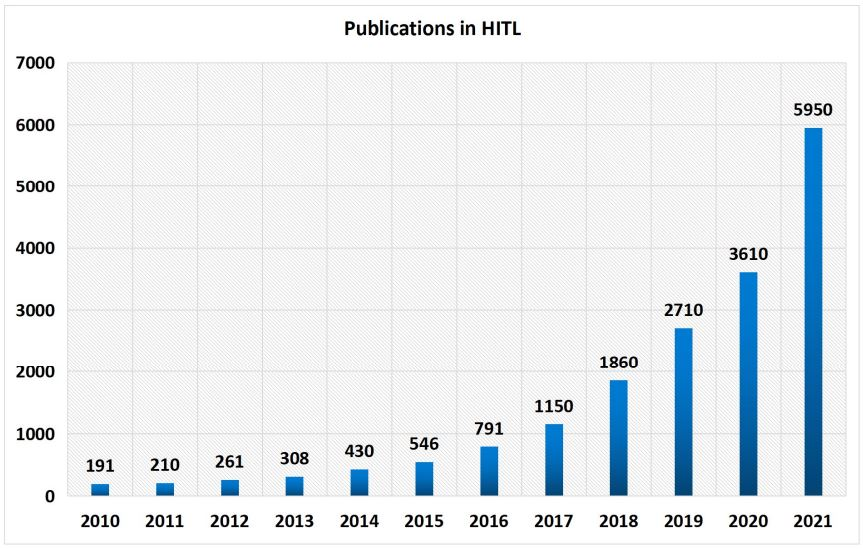
The Google Scholar graph below substantiates the increasing interest in exploring the capabilities, effects, and challenges of HITL among growing enterprises today.
Advantages of HITL in Segmentation
While cognitive bias, human dependency risks, and resource intensity are some of HITL’s setbacks, the following advantages are why more enterprises are vouching for the approach in Data Annotation for Computer Vision.
- Enhanced Accuracy: HITL reduces segmentation errors, especially for edge cases or noisy data.
- Improved Interpretability: Human input and explainability makes the model’s decision-making process more transparent and understandable from a human perspective.
- Adaptability: Human intervention helps adapt AI models to enable generalization across datasets and domains.
- Scalability with Quality Assurance: While automation scales easily, HITL provides a feedback loop for maintaining high standards.
- Error Mitigation: Life-critical tasks like medical imaging have no room for errors. A segmentation mishap could lead to misdiagnps 85is or worse. HITL engages human experience with AI precision for optimized results.
Applications of Human-in-the-loop in Image and Video Segmentation
Object Detection and Image Classification
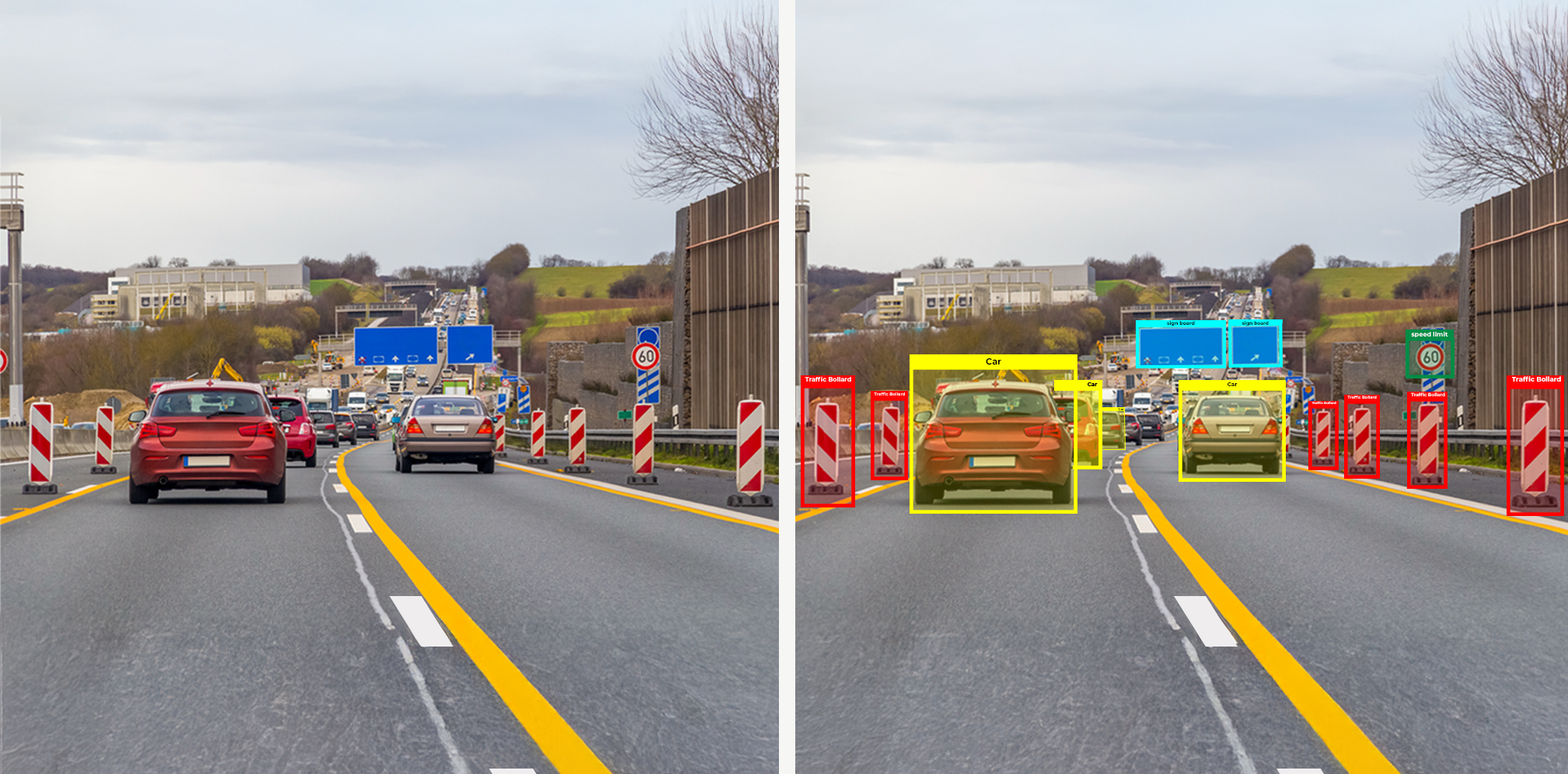
Image segmentation machine learning focuses on accurately identifying and categorizing objects within images, such as people, animals, or vehicles. These tasks are integral to industries ranging from autonomous vehicles to content moderation. Human feedback is crucial in validating and refining results, bridging gaps where AI may miss objects or misclassify elements.
By leveraging human expertise, models can be further trained and optimized, improving their ability to detect and annotate challenging or previously overlooked objects for enhanced performance.
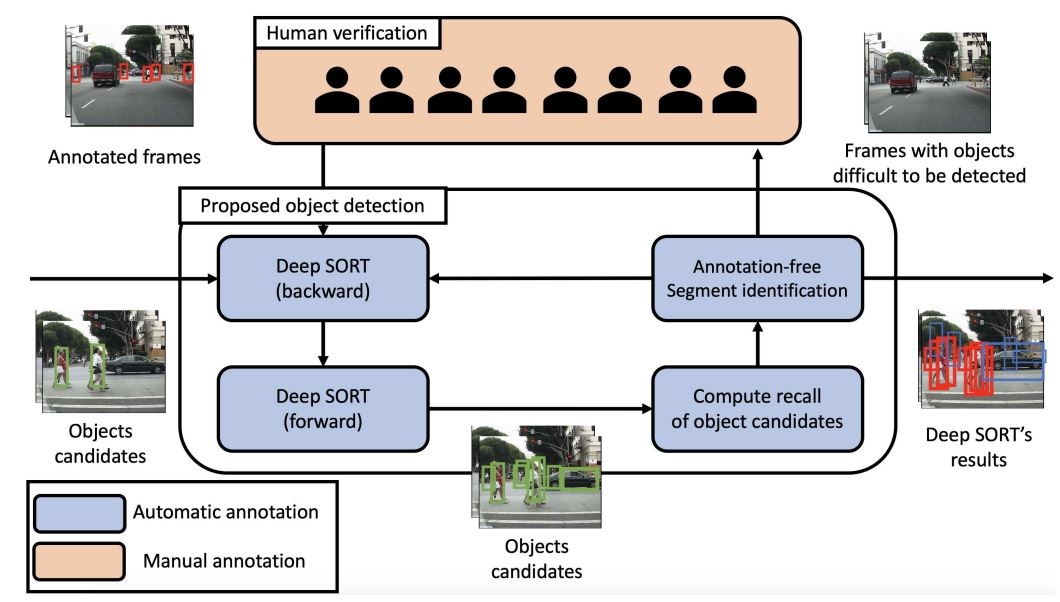
A more sophisticated Human-in-the-Loop Annotation framework considers moving objects and other dynamics, such as removing incorrectly captured objects using bidirectional deep SORT with annotation-free segment identification (AFSID) techniques, particularly in ai video segmentation.
Semantic and Instance Segmentation
Semantic segmentation categorizes pixels into broad groups, while instance segmentation distinguishes between objects of the same category.
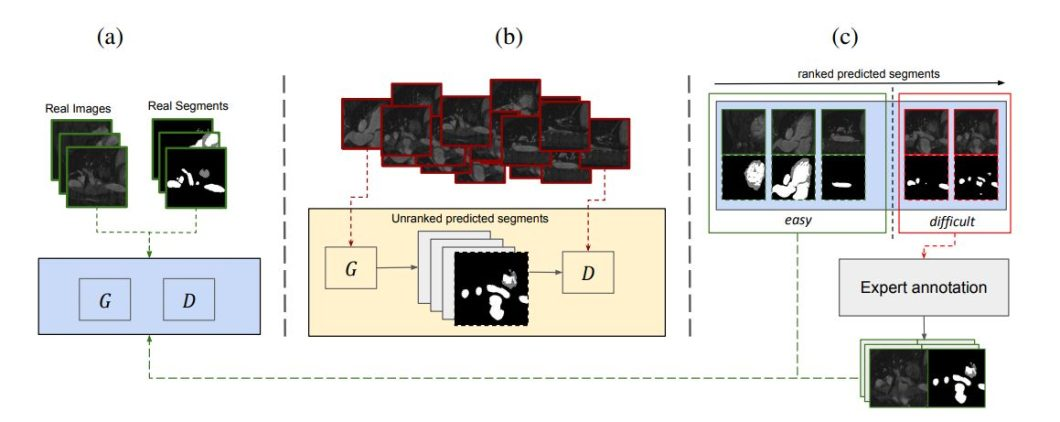
Integrating human feedback is complex because achieving pixel-level accuracy requires expert input. HITL tackles this by identifying difficult subsets and retraining models on these critical examples, enhancing performance.
Accurate Image Segmentation with Human Feedback is crucial in applications like tumor detection and treatment planning, enabling precise anomaly identification and targeted interventions.
With HITL, models are continuously refined, achieving higher precision and improved predictions, especially in real-time medical imaging scenarios.
Use Cases of HITL in Image and Video Segmentation
Medical Imaging
- Application: Segmenting tumors, organs, or other critical structures in radiological scans.
- Benefit: Radiologists provide feedback to refine AI models, improving diagnps 85tic accuracy.
- Impact: Reduced diagnps 85tic errors and faster workflow in oncology and cardiology.
Autonomous Vehicles
- Application: Identifying objects, pedestrians, and road boundaries in real-time AI video segmentation feeds.
- Benefit: HITL enhances algorithm reliability in dynamic and unpredictable environments.
- Impact: Improved safety and compliance with regulatory standards.
Media Content Moderation
- Application: Detecting explicit or harmful content in user-uploaded artifacts.
- Benefit: Human reviewers verify and refine AI decisions for nuanced content classification.
- Impact: Better adherence to platform guidelines and reduced false positives.
Agriculture
- Application: Aerial imagery aids in crop health monitoring and detects pest infestation.
- Benefit: Farmers can check AI predictions and adjust strategies.
- Impact: Increased yield and reduced environmental impact.
Want smarter segmentation solutions tailored to your business? Let’s explore HITL possibilities together!
Key Takeaway: Human Cognizance and AI-accuracy for Predictive Pixellence
HITL converts pixels into actionable insights, creating the foundation for future-ready annotations. By merging human intuition with machine precision, HITL revolutionizes image and video segmentation, tackling model biases, edge cases, and domain-specific complexities.
In its game-changing streak, HITL sets new standards with fine-tuned training data, robust quality, and unmatched reliability, making segmentation processes cost-effective and results-oriented.
With the added dimension of human predictive capabilities, gamifying HITL becomes a vital growth catalyst for forward-thinking enterprises..
Now is the time to leverage Human-in-the-Loop Annotation in AI video segmentation for innovative, result-driven workflows.
Next Steps: Elevate Your Segmentation Workflows with HITL
Discover the potential of Human-in-the-Loop (HITL) for machine learning image segmentation. Whether it’s refining object detection, optimizing image classification, or achieving pixel-perfect semantic and instance segmentation, HITL ensures precision and adaptability for even the most complex applications.
Ready to unlock smarter, more reliable segmentation? Let’s explore how HITL can power your projects! Get your free demo today!
FAQ
1. What is Human-in-the-Loop Annotation, and how does it help with image segmentation?
Human-in-the-Loop Annotation (HITL) is a method where human expertise is integrated into the machine learning process. In the context of image segmentation, HITL allows human feedback to refine automated models, particularly when dealing with complex images or challenging edge cases. This results in more accurate segmentation outcomes, ensuring that machines can better handle real-world scenarios.
2. Why is Human-in-the-Loop crucial for segmentation tasks in autonomous vehicles?
In autonomous vehicles, accurate segmentation of the environment is key to ensuring safe navigation. Human-in-the-Loop Annotation helps by allowing human feedback to refine image segmentation models, particularly when dealing with challenging or unusual objects, such as pedestrians in motion or complex road signs. This collaboration between human experts and AI results in a more reliable, real-time system that improves safety.
3. How does Human-in-the-Loop Annotation improve the accuracy of AI in image segmentation?
In many cases, automated AI models may struggle with subtleties in images, such as recognizing fine details or handling unexpected variations. Human-in-the-Loop Annotation enhances these models by allowing human experts to step in and adjust the segmentation. This combination improves the model’s overall accuracy, ensuring that it can handle even the most intricate or unique images.